 English

 Slovak
 Czech
Czech
 Hungarian
 Italian
 Polish
 Slovenian





Billion-Dollar Acquisition of Arcadium Lithium
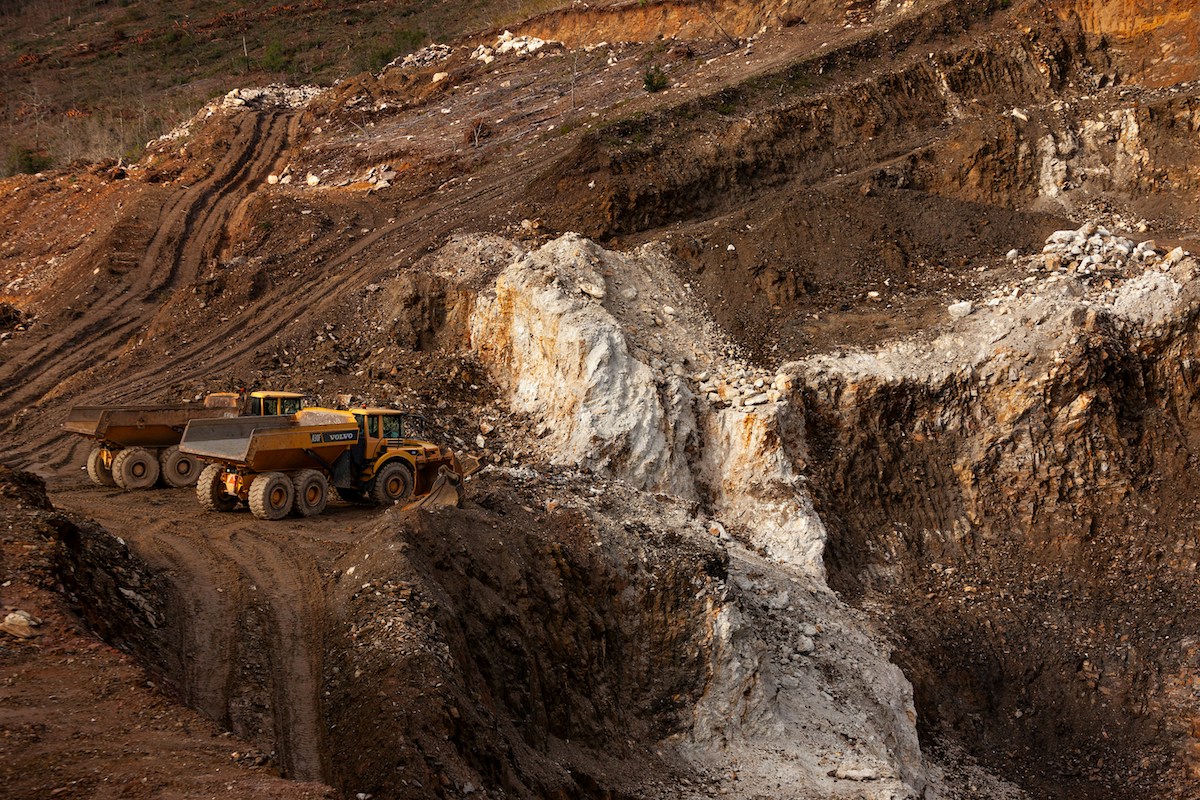
Rio Tinto is investing $6.7 billion in the acquisition of Arcadium Lithium, becoming the third-largest lithium producer in the world. According to Reuters, the divestment is expected to be completed within the next year. This acquisition will provide access to Arcadium’s mines and processing plants on four continents. The company has been established in the critical minerals market for years, including aluminum, copper, titanium, and high-quality iron ore, all of which play a significant role in the transition to sustainable energy sources and the rapid advancement of new technologies. Arcadium's clients include automotive manufacturers like Tesla, General Motors, and BMW.
Growing Influence in the Lithium Market
Rio Tinto is actively engaged in several lithium projects aimed at meeting the increasing global demand for this key component in EV batteries. One significant project is the development of the Jadar deposit in Serbia, where production is expected to reach approximately 58,000 tons of lithium per year. Despite a temporary halt due to environmental concerns, this project ultimately received support from Serbian authorities. Additionally, in 2022, the company acquired the Rincon project in Argentina for $825 million. Rincon is located in an area known as the "lithium triangle," where a new method of direct extraction is being used. This project has a potential to last for 40 years. Rio Tinto estimates that demand for lithium will increase significantly by 2030, and such investments will better prepare it for upcoming changes.
Collapse of Lithium Prices
Lithium prices have significantly dropped since their peak in 2022, primarily due to an oversupply and reduced demand for electric vehicles in China, which is one of the largest markets for battery minerals. Additionally, a representative from the U.S. State Department, Jose Fernandez, accused Chinese mining companies of deliberately flooding global markets with excessive lithium supplies, forcing other traders to lower their prices even further, with some eventually being driven out of the market entirely. The decline in prices could also affect Rio Tinto by limiting its profits or slowing investments in new projects. However, the company has diversified its business sufficiently and serves multiple sectors simultaneously. Additionally, the price drop could benefit the company whilst it's seeking to expand their market share, as well as their customers, such as battery and electric vehicle manufacturers.
Financial Results and Stock Performance
Rio Tinto has recorded mixed results over the past two years, influenced by commodity price fluctuations and global economic conditions. In the first half of 2024, the company reported a notable increase in net profit of 14% to $5.8 billion. Revenues rose slightly by 1% to $26.8 billion, mainly due to rising copper prices and the resilience of iron ore prices, which are among the company's primary assets. Rio Tinto's stock price on the New York Stock Exchange (NYSE) fell by more than 4% to $66.66 on Tuesday, October 8, 2024.* This decline is attributed to the close connection between mining companies and the economic situation in China, where uncertainty surrounds the anticipated government stimulus measures aimed to boost its economy.

Source: Investing.com*
Conclusion
Rio Tinto is responding to changes in global trends and demand for renewable resources through its acquisitions. Acquiring Arcadium Lithium might be advantageous amid a significant drop in lithium prices, allowing it to gain access to substantial supplies of this mineral and secure assets at favourable values. Moreover, Rio Tinto has strong capital and resources to develop and operate the acquired assets, which can be beneficial, especially during market fluctuations. Given the anticipated increase in demand for lithium, the acquisition of Arcadium could provide Rio Tinto with a stable foundation for long-term growth and profitability. [1]
David Matulay, analyst of InvestingFox
* Data relating to the past are not a guarantee of future returns.
[1] Forward-looking statements represent assumptions and current expectations that may not be accurate or are based on the current economic environment, which may change. These statements are not guarantees of future performance. Forward-looking statements inherently involve risk and uncertainty because they relate to future events and circumstances that cannot be predicted and actual developments and results may differ materially from those expressed or implied in any forward-looking statements.
Warning! This marketing material is not and must not be construed as investment advice. Data relating to the past is not a guarantee of future returns. Investing in a foreign currency can affect returns due to fluctuations. All securities transactions can lead to both profits and losses. Forward-looking statements represent assumptions and current expectations that may not be accurate or are based on the current economic environment, which may change. These statements are not guarantees of future performance. InvestingFox is a trademark of CAPITAL MARKETS, o.c.p., a.s. regulated by the National Bank of Slovakia.
Sources:
https://www.investing.com/news/economy-news/rio-tinto-to-buy-arcadium-lithium-for-67-billion-3654562
https://riotintoserbia.com/en/jadar-project/
https://www.mining.com/rio-tinto-secures-lithium-project-in-argentina/
https://www.asiafinancial.com/us-says-china-is-oversupplying-lithium-to-kill-off-rival-firms
https://company-announcements.afr.com/asx/rio/5e9f50c1-4ebf-11ef-b51d-b681c1fa9655.pdf