 English

 Slovak
 Czech
Czech
 Hungarian
 Italian
 Polish





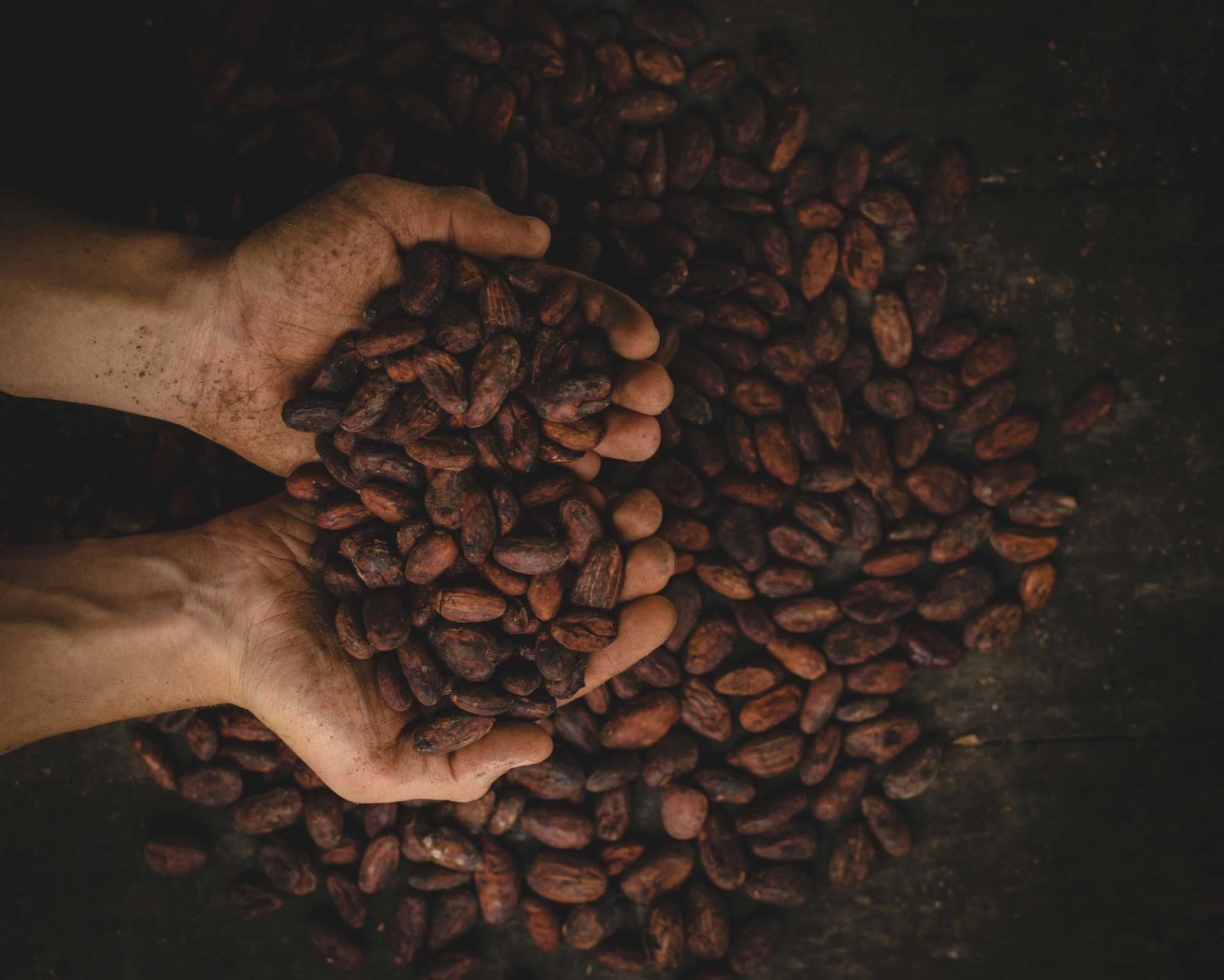
Benchmark cocoa futures in London and New York surged, doubling in price since the previous year. * Traders fear the shortage may persist into the following year. In contrast, other soft commodities like sugar and coffee experienced mixed price movements.

Source: https://www.investing.com/commodities/us-cocoa
Climate change is a growing challenge for cocoa farmers in the region, affecting production in both Ghana and Ivory Coast, which contribute to nearly 60% of global cocoa harvests. The resurgence of the El Nino climate phenomenon poses further threats to cocoa production in West Africa, exacerbating supply deficits. Meteorologist and commodity trading advisor Jim Roemer notes that historical trends suggest price fluctuations, but current conditions in cocoa-producing regions of West Africa may sustain the squeeze on supply.
The region's cocoa shipments have plummeted by a staggering 36% compared to the previous year, prompting regulatory intervention in the form of halting forward sales for the upcoming season until a clearer production outlook emerges. The approval for the importation of cocoa beans by the Ghana Cocoa Board (COCOBOD) has stirred controversy among local citizens. While the letter authorizing the importation does not provide reasons, it has sparked concerns among Ghanaians, who view cocoa production as vital to the country's economy.
Industry experts note that allowing cocoa bean imports is not uncommon, as it has been practiced for years to meet the needs of cocoa processors. However, some stakeholders raise questions about the timing, quantity, and reasons for the imports, especially during the main cocoa crop season. This situation has led some local cocoa processors to halt operations or resort to importing beans, raising alarms about the future of the cocoa industry in Ghana. These problems only add up to the existing ones concerning weather conditions.
Chocolate makers are facing challenges as they try to offset rising cocoa costs by passing them on to consumers. Despite enjoying profits in recent years, demand for chocolate may be waning as cocoa prices hit record highs and sugar prices soar. Consumers in Europe and the United States have already experienced significant price increases and are reducing their chocolate purchases.
Private label chocolate sales are increasing, even with price rises. Some chocolate makers plan modest price increases and automation to manage production costs, hoping to reverse declining sales volumes. While global cocoa production witnessed a marginal uptick, inventories remain precariously low, with projections indicating a deficit for the current season. This grim scenario is mirrored in diminished cocoa grindings across major consumption regions, signalling early indications of demand erosion in response to soaring prices.
InvestingFox
Sources:
https://www.voaafrica.com/a/cocoa-prices-spike-amid-climate-threats/7478949.html
https://woezor.tv/uproar-as-cocobod-approves-3500mt-cocoa-importation/
* Past performance is no guarantee of future results.