 English

 Slovak
 Czech
Czech
 Hungarian
 Italian
 Polish
 Slovenian





Revenue Missed Expectations, AI Servers Are Thriving
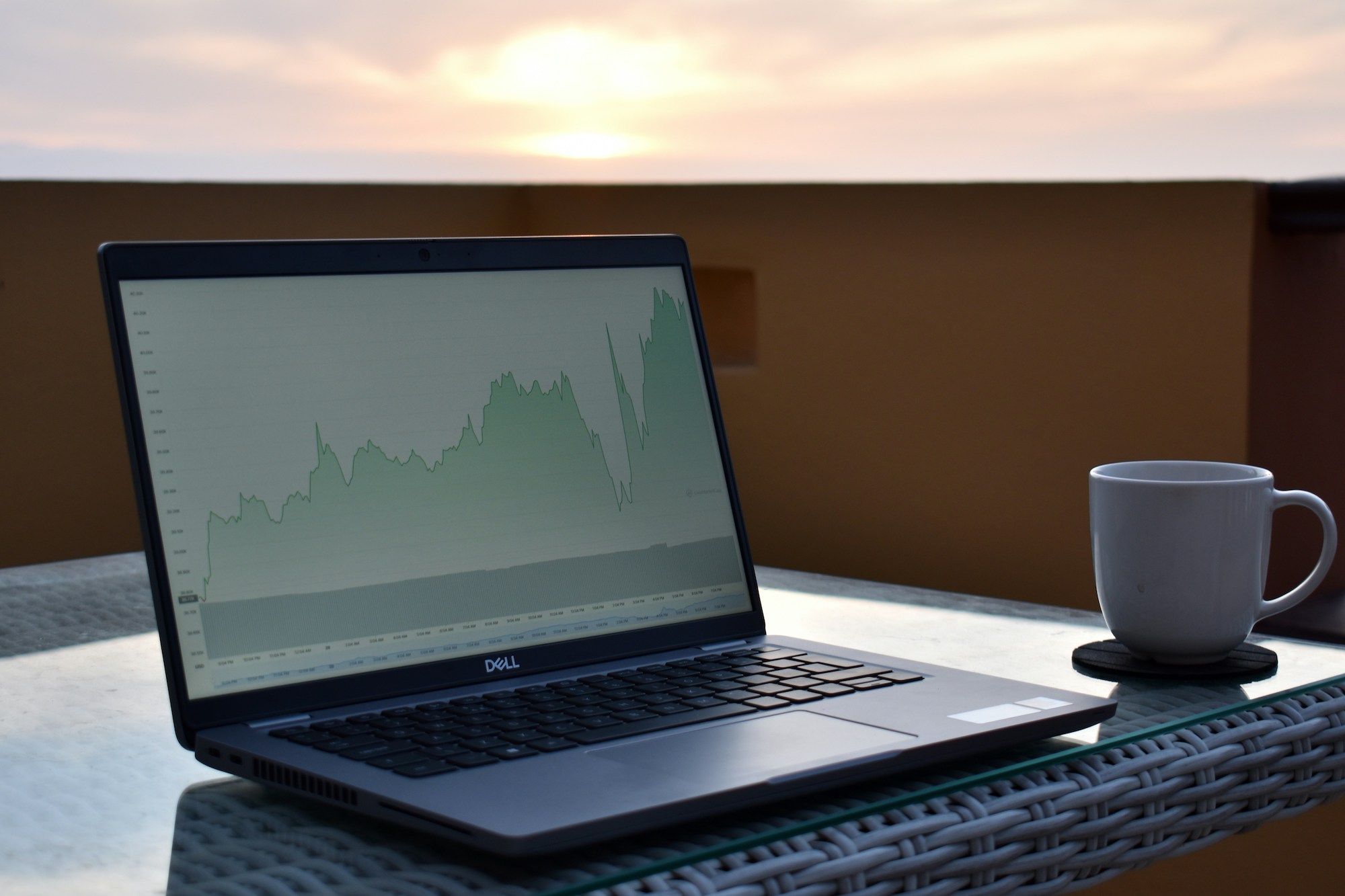
On November 26, 2024, Dell reported its Q3 FY2025 results (the three-month period ending November 1, 2024). Total revenue was $24.4 billion, slightly below market expectations but still showing a solid 10% year-on-year growth. Guidance for the current quarter also slightly disappointed, with a forecast of $24.5 billion compared to the consensus estimate of $25.4 billion. The Client Solutions Group (CSG) segment, which covers personal computers, saw a 1% year-on-year decline in revenue. However, AI servers showed stronger results, with revenue increasing by 58% year-on-year, despite a quarter-on-quarter decline. Moreover, Dell's market share in this sector is growing, thanks to innovations in software integration and performance efficiency. This indicates that the company is on the right track to capitalize on the growing AI boom.
Stocks Have Solid Fundamentals
Following the results and forecasts, Dell's stock price dropped by over 11% after hours and opened trading on the New York Stock Exchange down by as much as 14%. However, it has been in a bull trend since August 2024, recovering from earlier declines linked to AI profitability uncertainty. The stock reached its highest value on May 29, 2024, closing at $179.21.* This means the price is currently still at a relatively low level, and there is potential for long-term growth not only from a technical analysis perspective but also due to the company’s strong position in AI servers, where demand is continually rising. Additionally, personal computers, which are currently Dell’s biggest lag, also have a future in AI integration, which could strengthen the company in the coming periods. [1]

Source: investing.com*
The Personal Computer Market Is Undergoing Changes
The main issue behind the weaker results in the CSG segment is the slowed economy in key markets, which is causing consumers to spend less on products like personal computers, which are seen as unnecessary expenses. This trend is evident not only in Dell's results and outlook but also for its competitor HP (formerly Hewlett-Packard) or electronics retailer Best Buy. However, this is also a reflection of the ongoing transformation in the market, which is linked to artificial intelligence. The integration of AI into these devices still lacks concrete shape, but this should change soon, since the market is expected to gradually recover next year. According to research firm MarketsandMarkets, the personal computer market with AI integration is set for massive growth. While the market value is estimated at $50.6 billion this year, it is projected to leap to $231.3 billion by 2030, with a compound annual growth rate of 28.8%. [2]
Conclusion
Dell is strategically positioned to take advantage of the growing demand for AI-integrated products. Significant improvements in AI servers suggest the company’s ability to adapt to current trends. Additionally, signs of a potential recovery in the personal computer market, which was once the core of Dell’s business, are emerging. This combination could allow it to further strengthen its competitiveness in the tech sector in the coming years. [3]
* Historical data is not a guarantee of future performance.
[1], [2], [3] Forward-looking statements represent assumptions and current expectations that may not be accurate or are based on current economic conditions that may change. These statements are not guarantees of future performance. Forward-looking statements by their nature involve risk and uncertainty because they relate to future events and circumstances that cannot be predicted and actual developments and results may differ materially from those expressed or implied by any forward-looking statements.
Caution! This marketing material is not and should not be construed as investment advice. Historical data is not a guarantee of future performance. Investing in foreign currencies may affect returns due to fluctuations. All securities transactions may result in both profits and losses. Forward-looking statements represent assumptions and current expectations that may not be accurate or are based on current economic conditions that may change. These statements are not guarantees of future performance. InvestingFox is a trademark of CAPITAL MARKETS, o.c.p., a.s. regulated by the National Bank of Slovakia.
David Matulay, analyst of InvestingFox
Sources:
https://investors.delltechnologies.com/financial-information/quarterly-results
https://www.macrotrends.net/stocks/charts/DELL/dell/stock-price-history