 Polish

 English
 Slovak
 Czech
Czech
 Hungarian
 Italian
 Slovenian





Broadcom Surprises with Results, Guidance Disappoints
Broadcom reported decent results for Q2 2024 at first glance. Its revenue surged by an impressive 47% year-over-year to $13.07 billion, exceeding the expectations $12.97 billion. However, the company posted a net loss of $1.88 billion, which it said was due to a one-time tax expense. Although demand for AI chips continues to grow, weaker results in non-AI broadband and network solutions divisions have dampened this optimism. Nevertheless, the chip segment remains strong, with major tech companies like Google and Microsoft continuing massive investments in AI infrastructure. Broadcom expects its AI segment to generate $12 billion in revenue next quarter, with total revenue projected to reach $14 billion, $40 million less than market estimates. Weaker-than-expected Q4 guidance led to a drop in its stock price.
Broadcom Tests Intel’s Factory, But Unsuccessfully
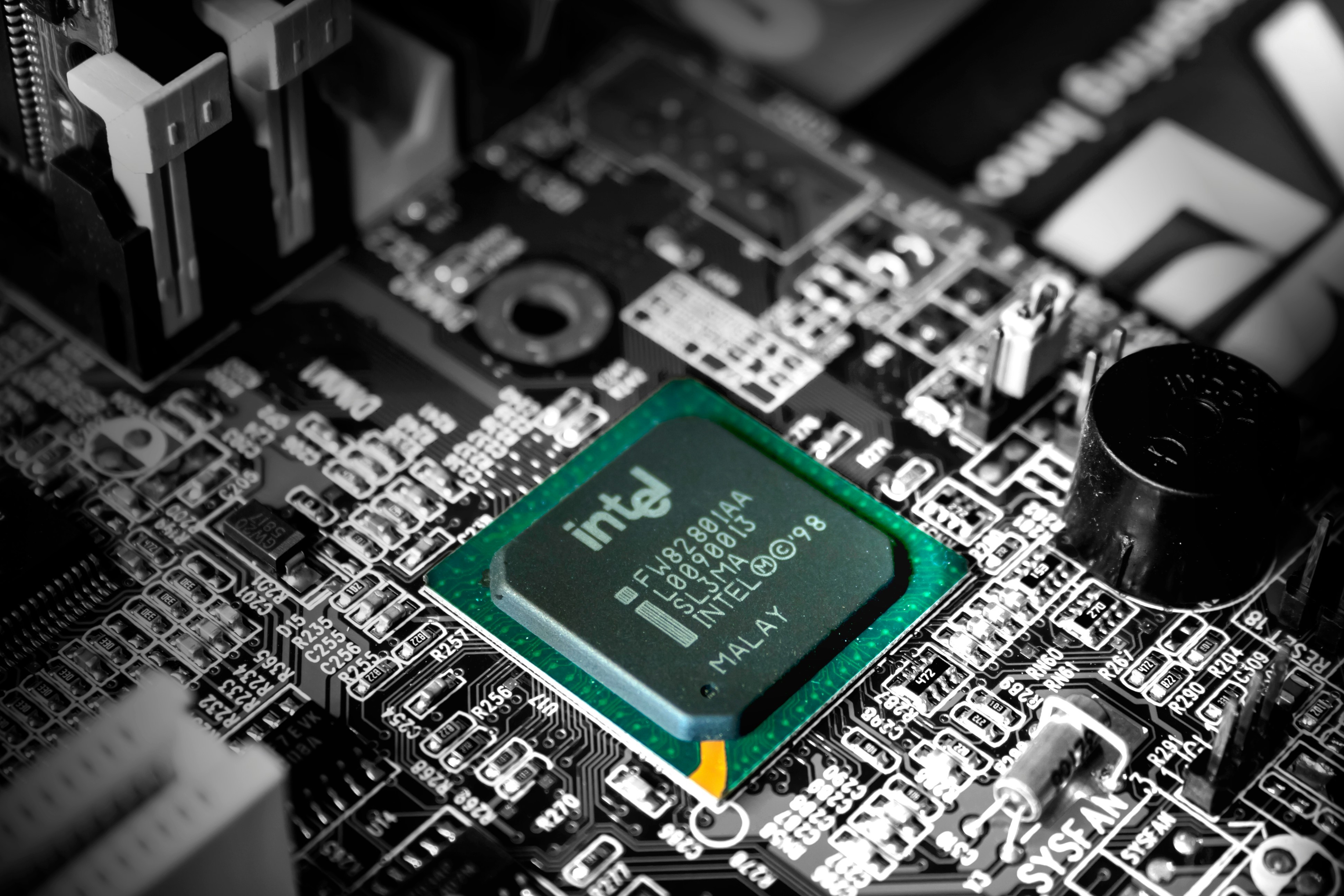
Broadcom has been collaborating with Intel for some time and recently tested its so-called silicon wafers, or chip production disks. The test aimed to evaluate Intel’s new 18A manufacturing process, but Broadcom was dissatisfied with the results and concluded that the technology is not yet ready for mass production. For now, it has not definitively stated whether it will continue with the project. Intel remains optimistic about the future of this new technology, but losing this contract could seriously harm the company and deepen existing issues with its manufacturing units relying on contract manufacturing for other tech companies. Transitioning to new manufacturing technologies is extremely challenging and requires time, something Intel is trying to convince its clients and ultimately investors of.

Broadcom Inc stock performance over 5 years. Source: Investing.com
Intel Struggles to Reverse Its Unfavorable Situation
Intel has been grappling with issues since the beginning of the year, with its stock value having lost nearly 60% during this period. Currently, the price per share is less than $20, a level last seen in 2011. The unfavorable situation was underscored by Q2 financial results, which saw stalled revenue growth and massive profit declines. The main problem lies in Intel’s manufacturing units, into which it has invested substantial resoures since 2021, yet this sector reported a $7 billion loss last year. Intel representatives have previously mentioned potential major strategic decisions to reverse its problems. One possibility is separating its manufacturing units from the rest of the company and potentially selling or closing some operations, which could relieve the company of some costs. Despite the negatives, Intel plans to achieve profitability in its factories by 2027. More information on its strategic decisions is expected after the board meeting later this month.

Intel Corporation stock performance over 5 years. Source: Investing.com
NVIDIA Faces Significant Losses
NVIDIA is a clear leader in the AI chip segment, and over the past year, its stock has skyrocketed due to explosive interest in GPUs currently used in generative AI and high-performance computing. NVIDIA benefited from massive demand for AI solutions, especially GPUs for training models. However, despite reporting revenue and demand increases, its last quarter’s results fell short of market expectations, causing a drop in its stock value. Another reason for the weaker performance could undoubtedly be the announced delay in the release of the new Blackwell chip, manufactured by Taiwanese giant TSMC. Investors are concerned about the impact of the delay on NVIDIA’s short-term profitability.

NVIDIA stock performance over 5 years. Source: Investing.com
TSMC And EU Expansion
Taiwan Semiconductor Manufacturing Company (TSMC), a major chip supplier for NVIDIA and other tech companies, continues to expand its global capacity. It now plans to build a new factory in Dresden, Germany, costing $5.5 billion. This project will be the first of its kind in Europe and will focus on manufacturing high-performance chips. The factory will produce chips mainly for the automotive and industrial sectors, with an annual output of 480,000 silicon wafers, reaching full capacity by 2029. The project has received approval from the European Union under the European Chips Act, which supports domestic chip production. The expansion is part of TSMC’s broader strategy to strengthen its position in advanced chip supply. As mentioned, given that a significant part of the tech industry relies on this manufacturer, uncertainty in the sector has also impacted its stock price.

Taiwan Semiconductor Manufacturing Company (TSMC) stock performance over 5 years. Source: Investing.com
Conclusion
The semiconductor industry finds itself in an uncertain situation once again, with stocks of major players declining despite positive financial indicators. Investors have high expectations, and even slight downgrades in forecasts, as seen with Broadcom, lead to stock price drops. While demand for AI chips remains strong, increasing competition and uneven growth in other divisions cause volatility in company values. This means that while opportunities are substantial, significant volatility should be expected in this dynamic sector. Despite current declines, overall prospects remain optimistic. The semiconductor industry is largely cyclical, and fluctuations in demand throughout different time periods should be anticipated.
This marketing material is not and should not be construed as investment advice. Past performance is not indicative of future results. Investing in foreign currencies may impact returns due to fluctuations. All securities transactions can lead to both gains and losses. Forward-looking statements represent assumptions and current expectations that may not be accurate or based on the current economic environment, which may change. These statements do not guarantee future performance. InvestingFox is a trademark of CAPITAL MARKETS, o.c.p., a.s., regulated by the National Bank of Slovakia.
Sources:
https://www.cnbc.com/2024/09/05/broadcom-avgo-earnings-report-q3-2024.html
https://www.cnbc.com/2024/08/28/nvidia-nvda-earnings-report-q2-2025.html
https://www.fierceelectronics.com/ai/heres-whats-wrong-nvidias-blackwell-gpu
https://finance.yahoo.com/news/taiwan-semiconductor-manufacturing-company-limited-203955491.html