 Polish

 English
 Slovak
 Czech
Czech
 Hungarian
 Italian





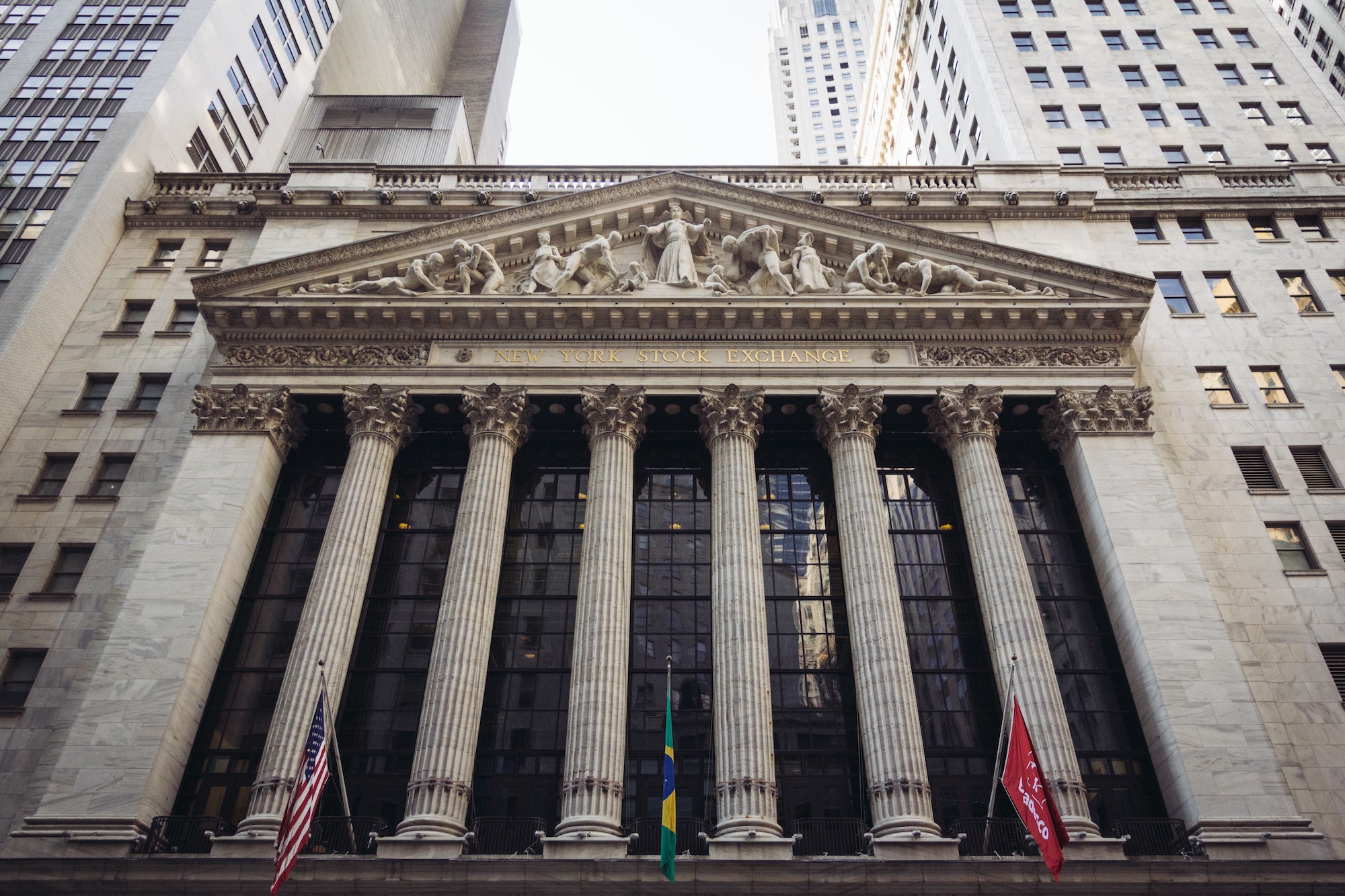
The main index of the New York Stock Exchange, the S&P 500, is expected to rise to five thousand points by the end of next year. Analysts of the American consulting company RBC Capital Markets think so, adding that the year 2024 should be marked by a bullish mood on the stock markets. If their words were to come true, the S&P 500 index would surpass by more than 200 points the current all-time high set at the end of 2021[1].
Phil Orlando, chief equity strategist at Federated Hermes, predicts a similar development for the New York Stock Exchange. "We think the stock will go up significantly. Over the past few months, the S&P index has risen from 4,100 to 4,500 points, and we believe this growth is on strong legs," Orlando said in an interview with Bloomberg.
The fact is that, at least since the beginning of November, fears about future developments have been gradually receding. The steadily declining inflation, which could finally return to the central banks' 2% target in many important countries next year after more than two years, has brought significant relief to the markets[2].
Monetary policy will be one of the main factors influencing the mood on the stock markets in the coming months. So far, it seems that both the US Fed and the European Central Bank will no longer raise their key interest rates.
This is good news for equities for two reasons: 1) monetary policy will not dampen liquidity, which is important for equities in the short term, and 2) monetary policy will not dampen investment activity, which is important for the development of the real economy and thus the fundamentals for equity markets. In other words, if money is no longer becoming more expensive, free liquidity will feed demand for financial assets and investment will contribute to economic recovery.
But two uncertainties are likely to remain. The first is the development of the military conflict in Ukraine. Although the financial markets seem to have become accustomed to war in the eastern part of Europe, a black swan in the form of a negatively surprising development may yet emerge. The second uncertainty is the state of the Chinese economy. Although major problems in the real estate and construction sectors have again been sparked, it is not impossible that problems will bubble to the surface over time. It will then depend de facto on the willingness of the Chinese ruling class to continue pumping money into banks that are closely linked to the real estate sector.
Overall, however, it is safe to assume that the economically developed world in particular is out of the woods. That is, assuming that another crisis does not emerge in 2024, which (like the covid, energy and inflation crises) no one can currently imagine.
-----
[1,2] Forward-looking statements are assumptions and current expectations that may not be accurate or are based on the current economic environment, which may change. These statements do not guarantee future performance. Forward-looking statements, by their nature, involve risk and uncertainty because they relate to future events and circumstances that cannot be predicted and actual developments and results may differ materially from those expressed or implied by any forward-looking statements.
Warning! This marketing material is not and should not be construed as investment advice. Past data is not a guarantee of future returns. Investing in foreign currency may affect returns due to fluctuations. All securities transactions may result in both gains and losses. Forward-looking statements represent assumptions and current expectations that may not be accurate or are based on the current economic environment, which may change. These statements are not guarantees of future performance.CAPITAL MARKETS, o.c.p., a.s. is an entity regulated by the National Bank of Slovakia.